
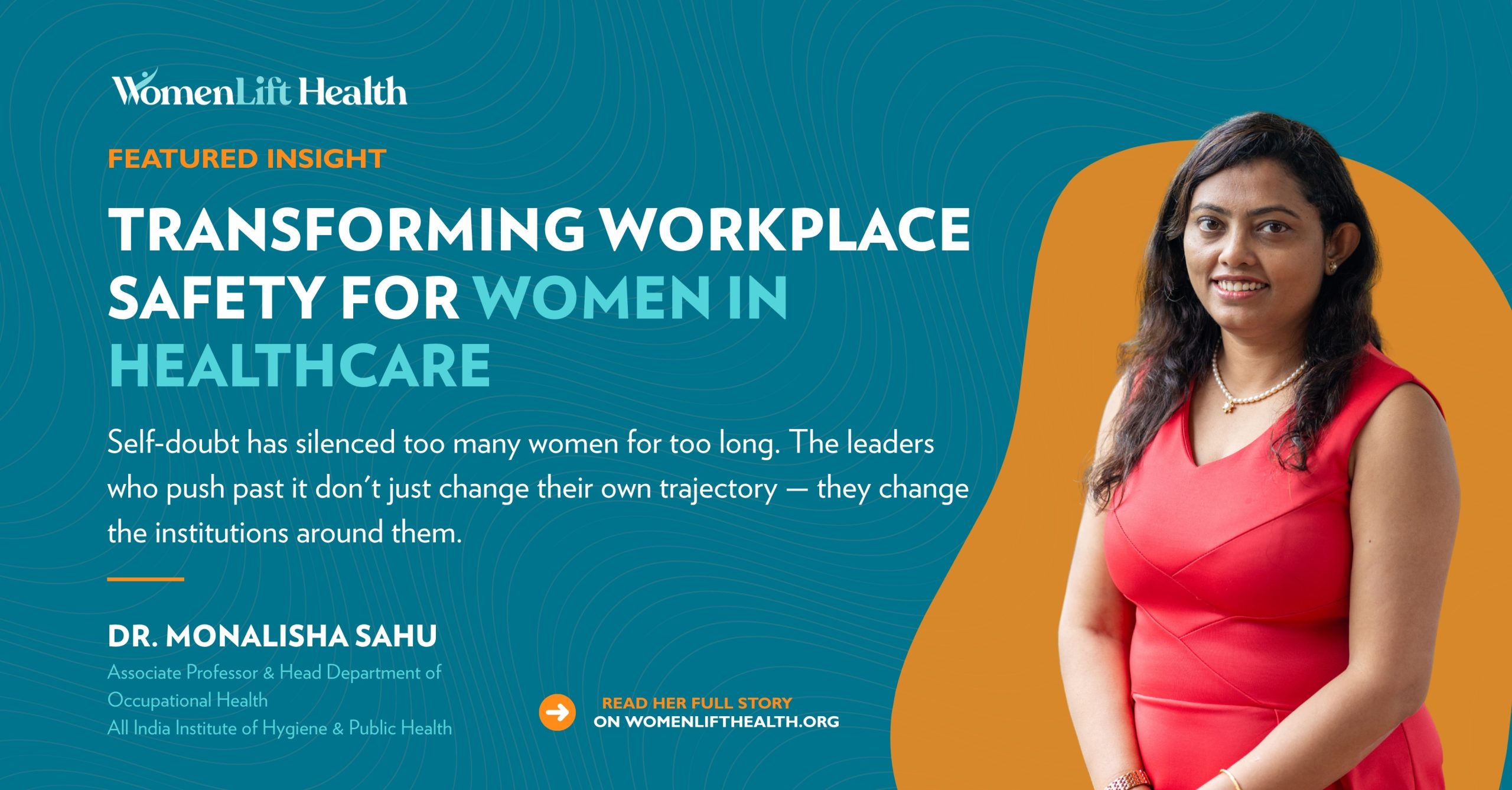
In healthcare settings across India, workplace harassment persists despite legal protections. Systemic power imbalances, rigid hierarchies, long working hours, and women’s underrepresentation in leadership all compound the risk. Low awareness of existing protections, weak reporting mechanisms, and inadequate accountability have produced an institutional culture in which harmful behaviour is normalized and rarely named.
The gap between policy and protection is wide. Dr. Monalisha Sahu decided to close it.
Through structured interactions with women across roles and career stages, she identified a recurring concern: a substantial proportion (nearly 90%) of women were either unaware of their rights or uncertain about available reporting mechanisms. The law existed. The protection did not. This pointed to the need for strengthening awareness alongside institutional processes.
In response, she conceptualized and led the WINGS initiative (Women’s Integration and Growth in Safe Healthcare Settings) as a structured effort to promote awareness and facilitate effective implementation of POSH principles across workplace settings. Through the WomenLift Health Leadership Journey, Monalisha developed the strategic communication and negotiation skills to take her findings to administrators, decision-makers, and the institutional leadership that sets the culture from the top.
She emphasized a culture of shared responsibility by engaging stakeholders across hierarchies, including male allies, while encouraging the development of safe, confidential, and accessible reporting mechanisms. The approach has been carefully aligned with established legal provisions and Supreme Court guidelines, ensuring that these efforts remain anchored within a broader rights-based and policy-compliant framework. This alignment has supported the gradual integration of workplace safety practices into existing governance systems, enhancing both credibility and sustainability.
Over time, these efforts have contributed to strengthening workplace safety processes and fostering greater responsiveness to concerns. Regular POSH sensitization and capacity-building initiatives have been encouraged across all levels, supporting a shift from one-time compliance activities toward sustained awareness and accountability.
“I no longer allow self-doubt to silence my voice or limit my leadership potential,” Monalisha reflects.
By focusing on awareness, system strengthening, and collective responsibility, her work contributes to building safer and more inclusive workplaces where women are informed, supported, and able to participate with dignity—both within and beyond formal institutional boundaries.